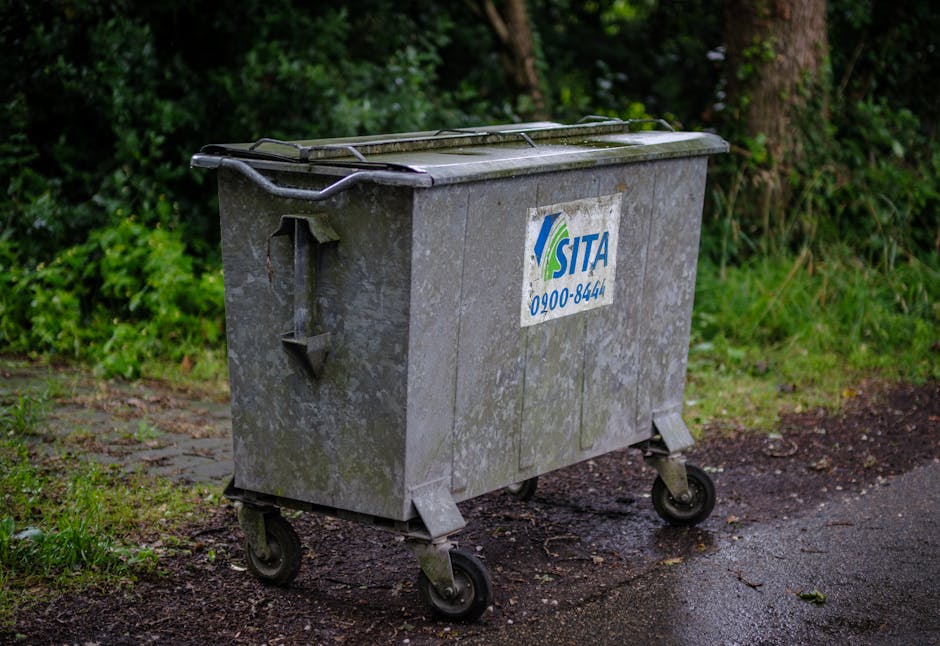
Commercial Waste in St Albans

Commercial waste in St Albans needs a practical service that handles everyday business arisings without disrupting work. We collect and remove trade waste, mixed rubbish and recyclable materials from offices, shops, hospitality venues and other commercial premises, helping you keep storage areas, yards and back-of-house spaces clear. The focus is on straightforward clearance that suits routine operations, with sensible handling of items so the right materials can be separated where possible.
Our business waste removal service is built for organisations that need regular or one-off support with unwanted material from a working site. Where a premises has larger bulkier items as well as loose waste, we can also direct you towards office clearance for desks, chairs, cabinets and general workplace contents, keeping the approach appropriate to the items involved.
Use our service when you want a tidy, lawful way to move waste on from commercial premises and keep the area usable. Tell us what needs removing, and we can assess the most suitable route for collection and disposal. If you are planning a larger clear-out, a clear list of items and access details helps us prepare the work accurately. For a quotation, send the key details and we will take it from there.
Waste removal for active businesses

Commercial premises generate mixed waste streams, and not every item belongs in the same container. General rubbish, packaging, unwanted fixtures, obsolete paperwork and damaged stock can all require different handling. Our commercial waste removal service gives businesses a practical way to deal with these materials in a single organised visit or in staged collections where that is more suitable. The aim is to reduce clutter while keeping the process controlled and easy to plan around opening hours.
We can work with material from small units, shared buildings and larger workplaces where waste builds up across several locations on the site. If your unwanted items are mainly from a production area, stock room or service corridor, the same core service can still apply, provided the waste type is suitable for removal. For items linked specifically to equipment replacement, fridge and appliance removal is a useful option, while confidential shredding supports businesses that need secure disposal of sensitive paper records.
Good results usually come from matching the collection to the way the premises operate. It can help to separate obvious recyclables, identify any heavy items and note whether goods are on the ground floor or require moving from a back room or upper level. Clear access routes make the work more straightforward, but the service is still aimed at practical removal rather than perfection before collection. If you are unsure how much waste there is, a rough description is often enough to begin a quotation.
Office, shop and workplace clearances

Many commercial jobs involve more than bagged waste. Desks, shelving, filing units, chairs and obsolete display furniture often need clearing alongside smaller rubbish, especially when a business is reconfiguring a workspace or emptying a unit between tenants. Our office and workplace clearance approach is designed for those mixed situations, with attention to separating reusable or recyclable materials from general waste where possible. That helps keep the process practical for busy commercial sites and supports responsible disposal.
For smaller business premises and compact rooms, office clearance can be the most direct option when a working environment needs to be cleared in an orderly way. Where the contents are broader and include retail or storage items, flat clearance may be useful as a reference point for clearing enclosed spaces with varied contents, while furniture clearance covers the removal of bulkier pieces that are no longer wanted.
When planning a workplace clearance, it is worth identifying what should be removed and what must stay in place. A simple room-by-room list can help, especially if there are mixed assets, archived files or items being retained for another branch or department. Photographs are helpful when a site includes several similar rooms or storage areas, but they are not the only way to brief the job. A short description of access, floor level and item types is usually enough to begin.
Furniture, fixtures and bulky item disposal
Commercial clearances often involve heavy or awkward items that are difficult to move through normal waste channels. Tables, reception furniture, shelving, counters and storage units need careful handling so they can be removed safely from the premises. Our furniture disposal work is suited to businesses replacing worn-out items, closing a site or clearing surplus stock that has become impractical to keep. The service is about moving bulky goods away without leaving them in corridors, loading bays or back offices for longer than necessary.
Some jobs are mainly about replacing old items, while others involve a more complete tidy of a room or floor. In those cases, it may be helpful to combine furniture removal with broader clearance of mixed waste, especially where packaging, fittings and loose rubbish have accumulated together. If your waste includes especially large household-style pieces from a staff area or accommodation space, furniture disposal and mattress and sofa disposal give clearer routes for those item types.
Bulky removals are often easier when items are grouped by room or by type, such as seating, desk furniture and cabinets. That does not mean everything must be pre-moved or dismantled before collection, but it does help to know whether items can be carried from the point of use or need to be separated first. A good quotation depends on the volume involved, any awkward access and whether there are soft furnishings, timber, metal or mixed-material pieces among the load.
Waste from homes, garages and lofts used by businesses

Although the main focus here is commercial waste, businesses sometimes need the same style of clearance for domestic-style storage spaces, staff accommodation or mixed-use premises. Items stored in lofts, garages and unused rooms can include paperwork, old furniture, boxes, broken fittings and general clutter that has built up over time. The work is still about safe removal and sensible sorting, but the layout of the space may make access more limited than in a standard office or yard.
Where the contents are mainly stored items rather than day-to-day business waste, loft clearance, garage clearance and home clearance may describe the kind of removal needed more precisely. For full-property contents, house clearance is another useful reference where a whole internal space needs to be emptied in an organised way.
Spaces like lofts and garages can contain a wider mix of materials than a normal working room, so it helps to note anything especially heavy, dusty or awkward to reach. Access matters more than volume alone in these jobs, because narrow stairs, low headroom or tight doorways can shape the method. If you are unsure whether the contents are best treated as commercial waste or a general clearance, a short description of what is inside is usually enough to guide the quotation process.
Garden and outdoor area clearances for commercial sites

Outdoor areas can collect waste just as quickly as internal rooms, particularly where a business has a yard, forecourt, communal space or planted frontage to maintain. Broken planters, cuttings, soil, packaging and worn outdoor furniture may need removing alongside other rubbish. Our garden clearance work is relevant when a commercial property includes external areas that need clearing so they remain presentable, usable and easy to maintain between visits.
For businesses with mixed exterior waste, garden clearance offers a practical route for green waste and outdoor clutter, while builders waste clearance is more suitable if the site also has rubble, timber offcuts, broken fixtures or refurbishment debris. If the external area includes items that must be taken apart before removal, it is useful to mention that as part of the quotation details.
Outdoor collections can be shaped by surface conditions, weather and how close the waste is to the collection point. A level route is easier than carrying material across uneven ground, but that does not mean the work has to wait until a site is perfect. The practical aim is to remove the waste in a controlled way, leaving the area ready for the next stage of use. For a quick response to an external clear-out, send the main item types and the approximate amount involved.
Appliance, specialist and hazardous waste
Some commercial waste cannot simply be mixed with general rubbish. Electrical items, cooling units, certain chemicals and other specialist materials need the right treatment so they are handled in line with their category. That is particularly relevant in workplaces that are replacing equipment, closing storage rooms or removing old back-of-house items. Our approach is to keep the process practical while recognising that different waste streams need different disposal routes.
Where the items are electrical or kitchen-related, fridge and appliance removal is the clear starting point. For sites with materials that require additional control, hazardous waste disposal is a more appropriate option than general clearance. Businesses dealing with broken office seating or unwanted soft furniture may also find mattress and sofa disposal helpful where the load includes large upholstered items.
Specialist waste should be identified as early as possible, because it affects how the collection is planned and what can be taken together. If you are not certain whether an item belongs in a specialist category, describe what it is and how it was used. Do not mix uncertain items together if they may need separate handling; that simple step can make quotation and collection easier to manage. A short message with the item type and approximate quantity is usually enough.
Pricing factors and what shapes the quotation
Commercial waste jobs are usually priced according to the amount to be removed, the type of material, the time needed on site and any access issues that affect loading. A straightforward bagged waste collection is different from a clearance that includes heavy furniture, awkward stairs or multiple rooms. If the load contains recyclable material, specialist items or mixed contents, that can also influence how the work is planned and quoted. The key point is that the quotation should reflect the actual task rather than a vague estimate.
Pricing and quotes is the best place to review how we approach estimates for different kinds of waste removal. If your site needs a scheduled arrangement rather than a one-off visit, it is sensible to describe that early so the quote suits the pattern of waste generation. For a convenient next step, you can also use book online if you already know the type of service you need and want to move the process forward.
To prepare a quote request, keep it simple: list the main waste types, note whether there are bulky items, and mention any restrictions such as parking, loading bay use or lift access. These details help avoid unnecessary back-and-forth and make it easier to match the service to the site. If the waste spans several rooms, a room-by-room summary is often more useful than a broad description.
St Albans and the setting around the city
St Albans is a historic cathedral city in Hertfordshire, north of London, with roots that reach back to the Roman settlement of Verulamium. The modern city grew around that older centre, and much of its character comes from the layers of history visible in streets, surviving buildings and open spaces. St Albans Cathedral, with its long architectural history and prominent position, remains one of the city’s best-known landmarks, while the surrounding streets reflect a blend of medieval, Georgian and later development. The city centre combines civic, retail and cultural uses, with markets, independent shops and familiar public spaces sitting close together.
Beyond the centre, St Albans includes residential districts, parkland and routes that link the city with wider Hertfordshire. Verulamium Park is closely associated with the Roman past and the remains of the ancient town, and it provides open space near the historic core. The Clock Tower is another recognisable feature, offering a distinctive civic marker in the middle of the city. Cultural life is supported by local theatres, museums and events, and the area’s setting on the edge of London’s commuter belt has helped it remain both historically rooted and outward-looking. The city’s streets and buildings show how old foundations and modern daily life continue to coexist.
For visitors and residents alike, the city’s appeal lies partly in that balance between heritage and ordinary working life. Quiet lanes, older churches, civic buildings and green spaces sit alongside busier commercial areas and transport links. The result is a place that feels established without being static, with architecture and public space playing a strong part in how the city is experienced. St Albans remains identifiable through its skyline, its central streets and the way its historic core still shapes movement through the modern city.
Making commercial clearances easier to manage
Good commercial waste management is usually less about a dramatic clean-up and more about removing the friction that builds when items stay in the wrong place. Stock left in a corridor, broken furniture stored “for later” and mixed rubbish in a back room can all make a site harder to use. Our service is intended to help businesses move those materials out in a planned way, with enough structure to suit offices, shops, shared premises and other working environments.
When you request a quotation, it helps to think in terms of categories rather than trying to perfect every detail first. For example, you might separate bagged rubbish, furniture, electronics and specialist waste in your notes, even if the items are still physically in the same room. If the collection is linked to a move, refurbishment or end-of-tenancy situation, say so clearly. For larger clearances, a simple sequence of spaces can make the task easier to assess and price.
If you are ready to progress, send the item list and access notes, and we can help shape the right kind of collection. You can also review about us if you want a little more background on the business, or use the final step to request a quotation directly and keep the process moving. Ask for a quote when you are ready, and we will work from the details you provide.